


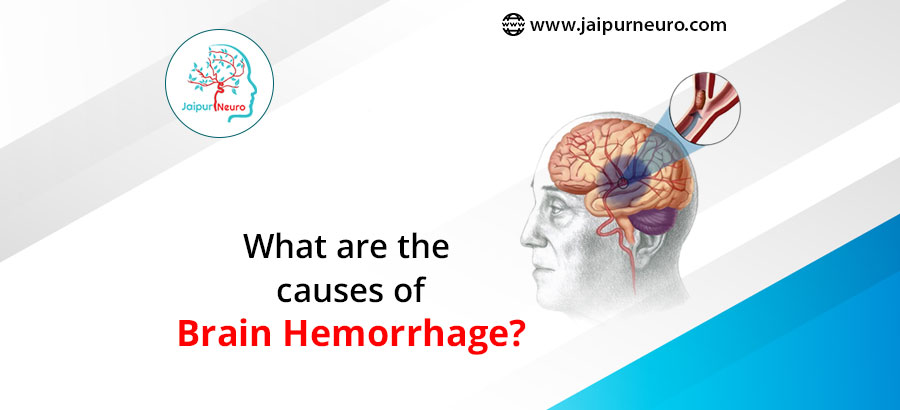
A brain hemorrhage happens fast and without warning. One moment someone is fine, the next they have a crushing headache, weakness on one side, or suddenly lose consciousness. It is one of the more serious emergencies in neurology, and knowing the causes of brain haemorrhage, along with how to recognise it early, can genuinely be the difference between a full recovery and permanent damage.
What Is a Brain Hemorrhage?
A brain hemorrhage, also called intracranial bleeding, occurs when a blood vessel inside the skull ruptures and blood leaks into or around brain tissue. This blood puts pressure on surrounding cells, starves them of oxygen, and can damage them within minutes. If you want the medical definition laid out more thoroughly, a fuller breakdown of what the condition actually involves is worth reading before going further.
What Happens Inside the Brain
Once bleeding starts, pressure inside the skull begins to build because the skull itself cannot expand to accommodate the extra fluid. This rising pressure, called intracranial pressure, is what causes most of the immediate danger, compressing healthy brain tissue and cutting off its blood supply. A closer look at how this process unfolds step by step explains why speed of treatment matters so much in these cases.
Types of Brain Hemorrhage
Not all brain bleeds are the same, and the type often depends on where exactly the rupture occurs.
- Intracerebral hemorrhage – bleeding directly within brain tissue, most often linked to high blood pressure
- Subarachnoid hemorrhage – bleeding in the space between the brain and its surrounding membrane, usually from a ruptured aneurysm
- Subdural hemorrhage – bleeding between the brain and its outer covering, common after head injury
- Epidural hemorrhage – bleeding between the skull and the outer membrane, typically from trauma
Each type has its own set of underlying triggers, and understanding these categories in detail helps make sense of why a doctor’s first question after a scan is always “where exactly is it bleeding.”
Causes of Brain Hemorrhage
The causes of brain hemorrhage generally fall into a few well-established groups:
- Uncontrolled high blood pressure – the single most common cause, especially in intracerebral hemorrhage
- Aneurysm rupture – a weak, bulging spot in a blood vessel wall that bursts under pressure
- Arteriovenous malformation (AVM) – an abnormal tangle of blood vessels present from birth
- Head trauma – falls, accidents, or sports injuries
- Blood thinning medications – anticoagulants that increase bleeding risk if not monitored
- Bleeding disorders – conditions that affect the blood’s ability to clot
- Liver disease – which can reduce clotting factor production
- Tumours – that sometimes bleed into surrounding tissue
For the complete clinical picture, including how each of these is diagnosed, this detailed guide on causes alongside their symptoms is a useful next read.
Can Stress Cause a Brain Hemorrhage?
This is one of the most common questions families ask, especially after a sudden bleed in someone who seemed otherwise healthy. Stress on its own rarely ruptures a blood vessel, but chronic stress raises blood pressure over time, and that elevated pressure is one of the well-known causes of brain hemorrhage in people who already have a weak vessel or aneurysm. In such cases, an acute stress spike can act as the final trigger. The connection between stress and hemorrhage risk is worth understanding if this runs in your family history.
Brain Hemorrhage Symptoms and Warning Signs
Because timing affects outcome so heavily, recognising brain bleeding symptoms early matters enormously:
- A sudden, severe headache unlike any before
- Sudden weakness or numbness in the face, arm, or leg
- Slurred speech or difficulty understanding others
- Vision problems in one or both eyes
- Loss of balance or coordination
- Nausea or vomiting alongside a headache
- Seizures or loss of consciousness
These signs often appear suddenly and worsen quickly, which is exactly why they should never be waited out at home. A full rundown of the warning signs and what to do when you spot them is worth keeping bookmarked, particularly for families with elderly parents or anyone on blood thinners.
Risk Factors to Be Aware Of
Certain people carry a higher baseline risk: those over 55, individuals with long-standing hypertension, smokers, heavy alcohol users, people on anticoagulant therapy, and anyone with a family history of aneurysms. Since high blood pressure sits at the top of nearly every list of causes of brain hemorrhage, managing it consistently remains the single most effective way to lower risk overall.
Treatment, Recovery, and Outlook
Treatment depends entirely on the size, location, and underlying cause of the bleed. Small hemorrhages may be managed with medication and close monitoring, while larger ones often require emergency surgery to relieve pressure and stop the bleeding.
Recovery is rarely instant. It can range from weeks to many months, depending on how much brain tissue was affected and how quickly treatment began. A realistic look at how long recovery typically takes helps set expectations for families going through this. Outcomes have also improved significantly with modern critical care, and current survival statistics and what influences them offer a more grounded picture than the worst-case scenarios people often assume.
For readers who would prefer this information explained in Hindi, a Hindi-language explainer covering the same topic is also available.
FAQs
Can you recover from a bleed on the brain?
Yes, many people do, especially with prompt treatment. Recovery depends on the bleed’s size and location, but rehabilitation including physiotherapy and speech therapy can restore significant function over time.
What happens if you have a brain hemorrhage?
Bleeding puts pressure on brain tissue, cutting off oxygen to nearby cells and potentially causing lasting damage if not treated quickly. A detailed account of what unfolds after a hemorrhage occurs walks through this in more depth.
What are the reasons of brain hemorrhage?
The most common causes of brain hemorrhage are uncontrolled high blood pressure, ruptured aneurysms, head injury, abnormal blood vessel formations, and blood-thinning medications.
What are the symptoms of a hemorrhage?
A sudden severe headache, weakness on one side of the body, slurred speech, vision changes, loss of balance, and vomiting are the most frequent symptoms.
What are the first signs of a brain hemorrhage?
The earliest signs are usually a sudden, intense headache along with confusion, weakness, or a rapid change in alertness. These tend to appear abruptly rather than building gradually.
What are the early warning signs of brain damage?
Persistent confusion, memory difficulty, slurred speech, loss of coordination, and unusual drowsiness following any head trauma or bleed can all signal developing brain damage and need urgent evaluation.

