


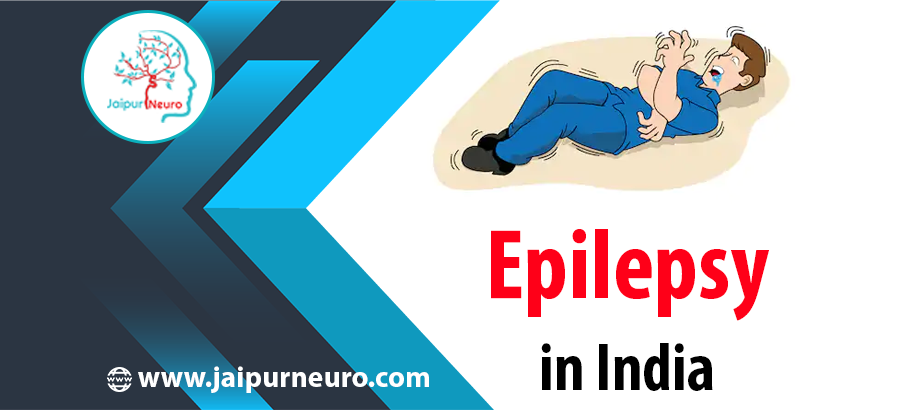
Epilepsy is the second most common and frequently encountered neurological condition that imposes a heavy burden on individuals, families, and also on healthcare systems especially in India. Epilepsy is a collection of neurological conditions where the nerve group action in the brain is disturbed, producing seizures or abnormal sensations, and sometimes loss of awareness. Epileptic seizures are episodes that can vary from brief or nearly undetectable to long periods of vigorous shaking.
Symptoms
Epilepsy has a long-term risk of recurrent seizures. These seizures may develop in several ways depending on the part of the brain involved and the age of the person. The symptoms vary depending on the type of seizure.
Reasons
There are various factors which might help us to identify as epilepsy symptoms are as follows –
Genetic influence –
Few types of epilepsy run in the history of a family. They depend on the type of seizure you experience or the affected part of the brain. In these cases, it’s likely to be the genetic influence.
Brain conditions –
Brain conditions which cause severe damage to the brain, e.g., brain tumors or strokes, can also cause epilepsy. Stroke is a leading cause of epilepsy in adults older than 35 years of age.
Infectious diseases –
Infectious diseases, such as meningitis, AIDS and viral encephalitis, can spark to epilepsy.
Prenatal injury –
Before birth, the unborn babies are sensitive to brain damage that can be caused by several factors, such as an infection in the mother, poor nutrition or oxygen deficiencies. This brain damage can result in either epilepsy or cerebral palsy.
Developmental disorders –
At times, epilepsy also has a few developmental disorders, namely, autism and neurofibromatosis.
Diagnosis
There are many tests to diagnose epilepsy and determine the actual cause of the seizures.
Neurological examination & Blood tests –
A doctor may test your behavior, mental function, the motor abilities, and other factors to diagnose your condition and determine the type of epilepsy you may have. Also, the doctor may take a sample of blood to check for signs of any infection, genetic or other conditions, associated with the seizures.
Electroencephalogram (EEG) –
This is one of the common tests to diagnose epilepsy. In this test, the doctors attach electrodes in your scalp by putting the paste-like substance. The electrodes then record the electrical activities of the brain. Ct scan and MRI can also be done.
Epilepsy is usually treated with daily Medications & Surgery
The mainstream treatment of epilepsy is anticonvulsant medications, which is possible for the entire life. The choice of anticonvulsant is based on the type of seizure, the epilepsy syndrome, the medications used till date, other health issues, the age of the person and his or her lifestyle. Initially, a single particular medication is good. Two medications at once are fine only when the single medication does not work. There are several medications available. Phenytoin and carbamazepine seem to be uniformly valid in both generalized and partial seizures. Both the controlled release of carbamazepine and the immediate release carbamazepine works well. Carbamazepine or lamotrigine is the first-line treatment for partial seizures, with levetiracetam and valproate being second-line due to issues of cost and side effects. The least expensive anticonvulsant, phenobarbital, is more common. Surgeries are common. During surgery, the doctor removes the part of your brain which is causing the seizures.
Diet
In the diet named, ketogenic diet, the body breaks down the fats instead of the carbohydrates for energy. It is a reasonable option for those who have epilepsy with no signs of improvement with the medications and surgery being a no for them.
Social impacts: The Stigma, Myths & Taboo in India surrounding epilepsy
Epilepsy has vital economic suggestions in terms of premature death, health care requirements, and lost work potency especially in India. People living with epilepsy can be victims of discrimination. The shame of the disease can deter people from trying medication for symptoms, to evade becoming recognized with the disease. Although the social influences differ from country to country, the prejudice and cultural shame that encompasses epilepsy in India are often more challenging to overcome than the seizures themselves.
Various communities in India continue to perpetuate many myths and misconceptions about epilepsy. For many people, epilepsy is a punishment of evil deeds or the breaking of certain taboos. The strange behaviors caused by some forms of epilepsy have led to a common rural belief that epilepsy is due to “possession by spirits”. People believing in supernatural powers at work offer worship and animal sacrifice for epilepsy. In India, November 17 is celebrated as National Epilepsy Day every year to produce consciousness about epilepsy and its harmful impact.

