

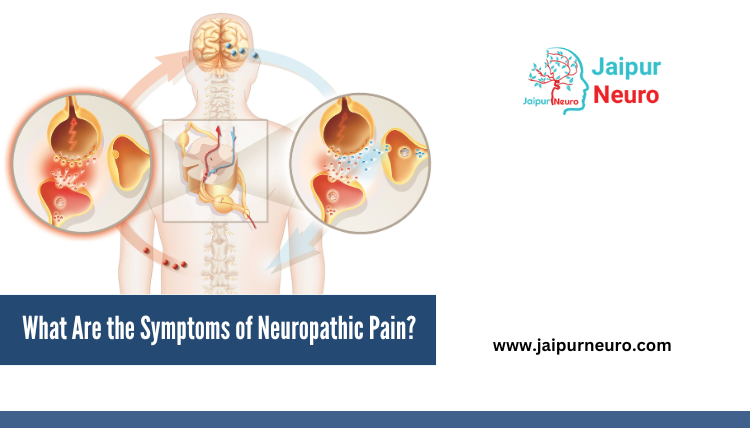
Symptoms of Neuropathic Pain: Neuropathic pain refers to a type of chronic pain that occurs due to damage or dysfunction in the nervous system. Unlike acute pain which serves as a protective mechanism, neuropathic pain persists long after the initial injury or illness has healed. It is a complex condition that can significantly impact an individual’s quality of life.
In this article, we will explore the symptoms of neuropathic pain in detail and provide valuable insights into managing this challenging condition.
Neuropathic pain is characterized by abnormal sensations and heightened sensitivity to pain. It arises from various underlying causes, such as nerve damage, inflammation, or dysfunction. The symptoms can vary in intensity, frequency, and location, depending on the specific condition and affected nerves. Recognizing the signs of neuropathic pain is crucial for early diagnosis and appropriate treatment. Let’s delve deeper into the symptoms associated with this condition.
What Are the Symptoms of Neuropathic Pain?
Neuropathic pain manifests through a wide range of symptoms that may vary from person to person. Here are some common indications:
1. Burning Sensation
Neuropathic pain often presents as a burning sensation, similar to being scalded or exposed to a hot surface. This persistent, intense burning feeling can be localized or spread across a larger area. It may worsen at night or with certain movements.
2. Shooting or Electric Shock-like Pain
Another hallmark symptom of neuropathic pain is shooting or electric shock-like pain. This type of pain is sudden, sharp, and may radiate along the affected nerve pathway. It can occur spontaneously or be triggered by touch or movement.
3. Tingling and Pins and Needles Sensation
Many individuals with neuropathic pain experience tingling and a sensation of pins and needles. This abnormal sensory perception can be constant or intermittent. It may affect specific areas or extend throughout the limbs.
4. Numbness and Loss of Sensation
In some cases, neuropathic pain can lead to numbness or reduced sensation in the affected area. The individual may struggle to feel temperature changes, pressure, or even painful stimuli. This lack of sensation increases the risk of accidental injuries.
5. Hypersensitivity to Touch
Neuropathic pain often causes heightened sensitivity to touch, a condition known as allodynia. Even gentle stimuli, such as light pressure or clothing brushing against the skin, can trigger intense pain. This hypersensitivity can significantly impact daily activities and diminish quality of life.
6. Muscle Weakness
In certain neuropathic pain conditions, muscle weakness may develop. The affected muscles may feel heavy or fatigued, leading to difficulties with coordination and motor functions. Muscle weakness can contribute to challenges in performing everyday tasks.
7. Sleep Disturbances
Chronic pain, including neuropathic pain, frequently disrupts sleep patterns. Individuals may struggle to fall asleep or stay asleep due to the discomfort and pain. This lack of restorative sleep can exacerbate other symptoms and contribute to a cycle of pain and sleep disturbances.
8. Emotional and Psychological Effects
Living with neuropathic pain can take a toll on an individual’s emotional and psychological well-being. The persistent pain, limitations, and challenges associated with the condition can lead to anxiety, depression, stress, and a decreased overall quality of life.
9. Autonomic Dysfunction
Neuropathic pain can also affect the autonomic nervous system, responsible for regulating involuntary bodily functions. Symptoms may include abnormal sweating, changes in skin color or temperature, and alterations in heart rate or blood pressure.
FAQs about Symptoms of Neuropathic Pain
Now, let’s address some frequently asked questions about neuropathic pain:
1: What causes neuropathic pain?
Neuropathic pain can result from various causes, including nerve damage due to trauma, infections, metabolic disorders, autoimmune conditions, or certain medications. It can also be a consequence of diseases like diabetes, multiple sclerosis, or shingles.
2: Can neuropathic pain be cured?
While a complete cure may not always be possible, effective management strategies can significantly reduce neuropathic pain and improve the individual’s quality of life. A comprehensive treatment approach often involves medications, physical therapy, psychological support, and lifestyle modifications.
3: How is neuropathic pain diagnosed?
Diagnosing neuropathic pain involves a thorough medical evaluation, including a detailed history, physical examination, and various diagnostic tests. These may include nerve conduction studies, imaging scans, and blood tests to identify underlying causes.
4: Are there any home remedies for neuropathic pain?
While home remedies alone may not provide complete relief, they can complement medical treatments. Strategies like practicing good sleep hygiene, maintaining a healthy lifestyle, engaging in relaxation techniques, and using cold or heat therapy may help manage neuropathic pain symptoms.
5: Can neuropathic pain affect any part of the body?
Yes, neuropathic pain can affect any part of the body. It may involve a single nerve (mononeuropathy) or multiple nerves (polyneuropathy). The symptoms and location of the pain depend on the specific nerves affected.
Conclusion: Symptoms of Neuropathic Pain
Neuropathic pain is a complex and challenging condition characterized by abnormal sensations, heightened sensitivity, and persistent discomfort. Recognizing the symptoms of neuropathic pain is crucial for early diagnosis and effective management. If you or someone you know experiences any of the aforementioned symptoms, seeking medical evaluation and appropriate treatment is essential for improving your quality of life. Remember, a comprehensive approach involving medical interventions, lifestyle modifications, and support can make a significant difference in managing neuropathic pain.
