


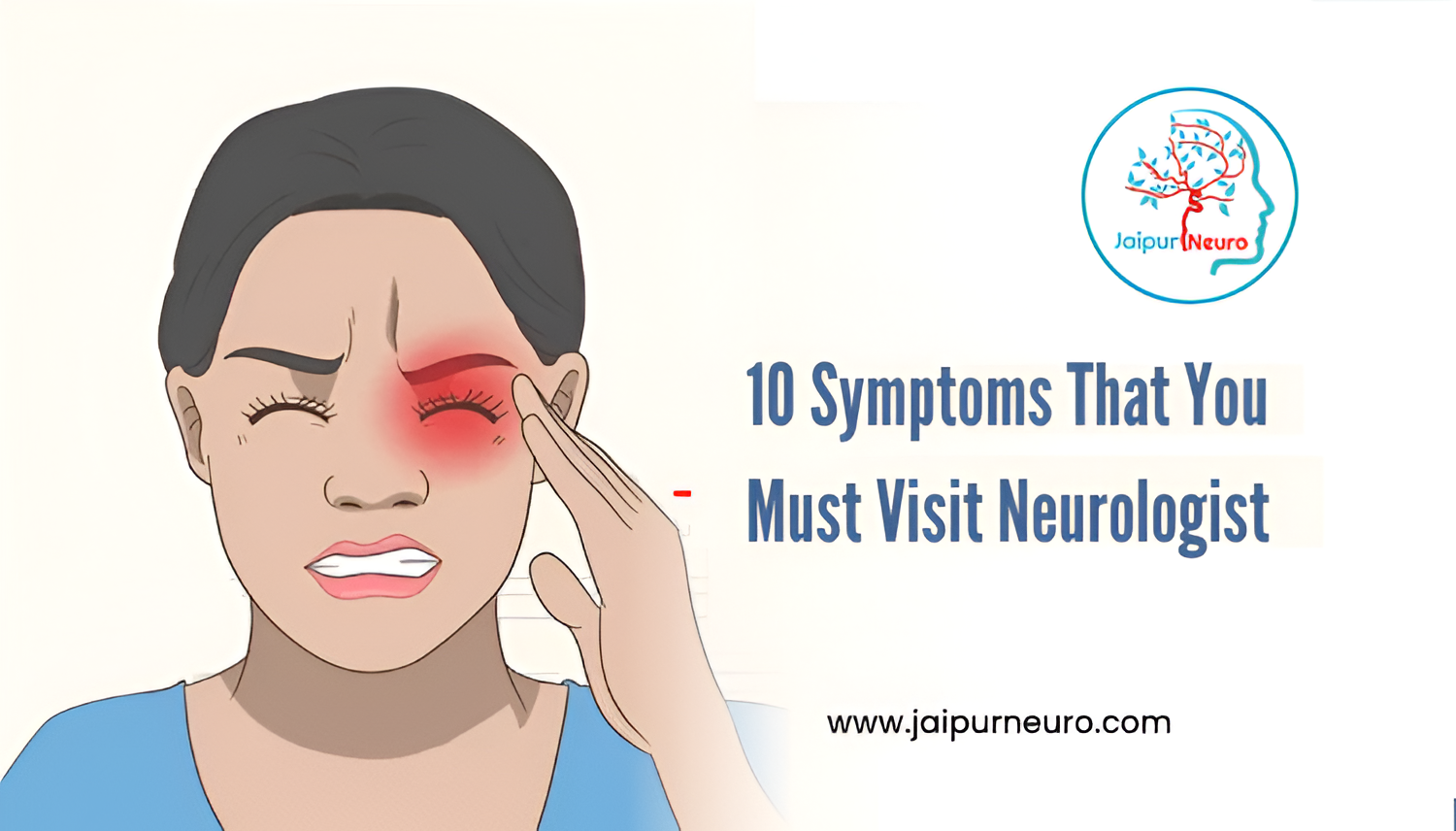
10 Symptoms That You Must Visit Neurologist: In the intricate web of our body’s functioning, the nervous system plays a pivotal role. It serves as the command center, coordinating various functions and transmitting crucial signals. When this intricate network falters, it can manifest in a myriad of symptoms that may be indicative of underlying neurological issues. Recognizing these signs early on is crucial for seeking timely medical intervention.
In this blog post, we will explore 10 Symptoms That You Must Visit Neurologist, shedding light on the importance of early detection and treatment.
10 Symptoms That You Must Visit Neurologist in Jaipur – Dr. Vikram Bohra
1. Chronic Headaches and Migraines
While headaches are common and often associated with stress or fatigue, persistent and severe headaches warrant attention. Chronic migraines, characterized by pulsating pain, sensitivity to light and sound, and nausea, could be indicative of neurological issues. Consulting a neurologist can help rule out underlying conditions and formulate an effective treatment plan.
2. Frequent Dizziness and Vertigo
Recurrent episodes of dizziness or vertigo can be disconcerting and may be related to disorders of the vestibular system or other neurological issues. These symptoms could be indicative of conditions such as vestibular migraine, Meniere’s disease, or even neurological disorders affecting the balance centers in the brain.
3. Memory Loss and Cognitive Decline
Forgetfulness is a common part of daily life, but persistent memory loss and cognitive decline should not be ignored. These symptoms could be early indicators of neurodegenerative conditions such as Alzheimer’s disease or other forms of dementia. Seeking the expertise of a neurologist can aid in early diagnosis and the implementation of appropriate management strategies.
4. Numbness or Tingling Sensations
Unexplained sensations like numbness or tingling, especially if they occur on one side of the body, can be signs of neurological issues. Conditions like multiple sclerosis (MS) often present with these symptoms due to damage to the protective covering of nerve fibers. Consulting a neurologist is essential for a comprehensive evaluation and diagnosis.
5. Seizures and Convulsions
Seizures are abrupt, uncontrolled electrical disturbances in the brain that can manifest in various ways. While epilepsy is a well-known cause of seizures, other underlying neurological conditions may also trigger these episodes. Any unexplained seizure activity warrants urgent attention from a neurologist for accurate diagnosis and appropriate treatment.
6. Muscle Weakness and Coordination Problems
If you experience persistent muscle weakness or coordination difficulties, it could signal an underlying neurological issue. Conditions such as peripheral neuropathy, myasthenia gravis, or even disorders affecting the spinal cord may manifest with these symptoms. A neurologist can conduct a thorough examination and diagnostic tests to identify the root cause.
7. Changes in Vision
Vision changes, such as double vision, blurry vision, or sudden visual disturbances, may be linked to neurological problems. Conditions like optic neuritis or increased intracranial pressure can impact vision and require prompt attention from a neurologist for evaluation and appropriate intervention.
8. Sleep Disorders
Disruptions in sleep patterns, such as insomnia, excessive daytime sleepiness, or restless leg syndrome, can sometimes be linked to neurological issues. Disorders like sleep apnea and restless leg syndrome may have neurological components that necessitate the expertise of a neurologist for accurate diagnosis and management.
9. Chronic Pain Conditions
Persistent and unexplained pain, especially in regions like the back or neck, may have neurological origins. Conditions such as neuropathic pain or nerve compression syndromes can cause chronic discomfort. A neurologist can assess the symptoms, conduct necessary tests, and recommend appropriate interventions.
10. Personality or Behavior Changes
Subtle or significant changes in personality or behavior can sometimes be linked to neurological issues. Conditions affecting the brain, such as tumors or certain psychiatric disorders, may manifest with alterations in mood, cognition, or social interactions. Consulting a neurologist can help differentiate between neurological and psychological factors, facilitating appropriate care.
Conclusion
Our nervous system is a complex and delicate network that governs every aspect of our physical and cognitive functions. Symptoms indicating a malfunction in this intricate system should not be overlooked. Recognizing the signs early and seeking the expertise of a neurologist is paramount for accurate diagnosis and timely intervention.
In the realm of neurological health, early detection can make a significant difference in the effectiveness of treatment and the overall prognosis. Regular health check-ups and prompt attention to unusual symptoms empower individuals to take charge of their neurological well-being and ensure a healthier, more fulfilling life.
Also Read:

