


A slight tremor in one hand. A voice that has gotten quieter without anyone noticing. Handwriting that has shrunk over the past year. These small changes are often the first hints of Parkinson’s disease, a condition that develops so gradually that by the time symptoms are obvious, it has usually been progressing for years already. Understanding what is Parkinson’s disease, and knowing what to watch for, gives families a real head start on managing it well.
What Is Parkinson’s Disease?
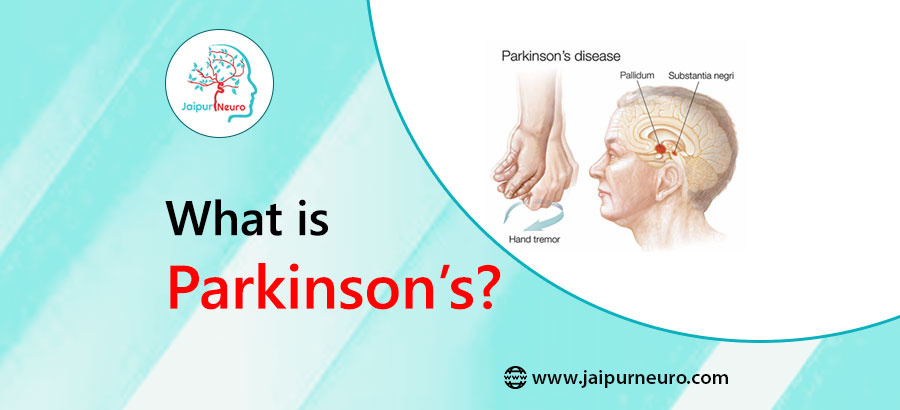
So, what is Parkinson’s disease exactly? It is a progressive neurological disorder that affects movement. It develops when nerve cells in a part of the brain called the substantia nigra begin to die off, reducing the brain’s supply of dopamine, a chemical messenger essential for smooth, controlled movement.
As dopamine levels drop, the classic movement symptoms of Parkinson’s begin to appear. It typically develops after age 60, though early-onset cases can appear much sooner. There is currently no cure, but with the right combination of medication, therapy, and lifestyle adjustments, most people live active, independent lives for many years after diagnosis. For anyone in Rajasthan looking into care options, specialised treatment for Parkinson’s is available closer than many expect.
Early Signs of Parkinson’s Disease
Long before the well-known tremor appears, the body often sends smaller signals. Early signs of Parkinson’s disease are easy to dismiss as normal ageing or tiredness:
- Loss of sense of smell
- Constipation that has no other clear cause
- Smaller, cramped handwriting than before
- A soft or hoarse-sounding voice
- Reduced arm swing while walking on one side
- Stiffness or slowness getting out of a chair or bed
- Sleep disturbances, including acting out dreams physically
None of these alone confirms anything, but noticing several together is worth a neurologist’s opinion. A detailed look at seven signs that commonly show up early can help families recognise the pattern before it becomes obvious to everyone around.
Symptoms of Parkinson’s Disease
As the disease progresses, symptoms of Parkinson’s disease become more defined and fall into two broad categories.
Motor symptoms:
- Resting tremor, usually starting in one hand
- Bradykinesia, or slowness of movement
- Muscle rigidity and stiffness
- Postural instability and balance problems
- A shuffling, stiff walking pattern
Non-motor symptoms:
- Depression and anxiety
- Cognitive changes and memory difficulty in later stages
- Fatigue
- Blood pressure fluctuations
- Sleep problems
Early symptoms of Parkinson’s often start on just one side of the body before spreading, which is a useful clue doctors look for during diagnosis. Recognising signs of Parkinson’s disease at this stage, rather than waiting for a full-blown tremor, generally leads to better long-term management.
Parkinson’s Disease Causes
The exact trigger remains unknown in most cases, but research points to a mix of factors. Parkinson’s disease causes are generally understood as a combination of:
- Genetics – certain gene mutations raise risk, especially with a strong family history
- Environmental exposure – long-term contact with certain pesticides and toxins
- Ageing – the single biggest known risk factor
- Brain injury – repeated head trauma has been linked to higher risk
- Oxidative stress – cellular damage that accumulates over time and affects dopamine-producing cells
Most experts believe it’s rarely just one cause but a combination of genetic vulnerability and environmental exposure that tips the balance.
Parkinson’s Disease Risk Factors
Certain factors don’t directly cause the disease but do raise the likelihood of developing it: being male, being over 60, having a close relative with Parkinson’s, prior exposure to pesticides or industrial toxins, and a history of significant head injury. None of these guarantee the disease will develop, but they’re worth discussing with a doctor if several apply to you or a family member.
What Happens If It’s Left Untreated
Parkinson’s does not pause on its own. Without treatment, symptoms tend to worsen steadily, affecting mobility, speech, swallowing, and eventually independence in daily tasks. Understanding the real consequences of delaying treatment is often what pushes families to seek a diagnosis sooner rather than later, since early intervention genuinely slows how quickly things progress.
Parkinson’s also moves through recognisable phases, from mild symptoms on one side of the body to more advanced difficulty with balance and daily function. Knowing where a patient falls within the five stages of progression helps set realistic expectations for care and planning ahead.
Can It Be Prevented?
There’s no guaranteed way to prevent Parkinson’s, since genetics play a role that can’t be controlled. That said, certain habits are associated with lower risk: regular aerobic exercise, a diet rich in antioxidants, minimising exposure to pesticides and industrial chemicals, and staying mentally active. A closer look at preventive steps worth adopting is a sensible read for anyone with a family history of the condition.
FAQs
What is the main reason for Parkinson’s disease?
There isn’t one single reason. It develops from the loss of dopamine-producing brain cells, influenced by a mix of genetic and environmental factors, with ageing being the strongest known risk factor.
What are 5 symptoms of Parkinson’s disease?
Resting tremor, slowness of movement, muscle stiffness, balance problems, and a shuffling walk are five of the most recognisable symptoms.
What is the 2 finger test for Parkinson’s?
It’s a simple bedside test where the person is asked to tap their thumb and index finger together as quickly and widely as possible. Slowing, shrinking movement, or hesitation during this task can indicate bradykinesia, a core sign doctors look for during examination.
What foods should Parkinson’s patients avoid?
High-protein meals close to medication doses can interfere with drug absorption. Processed foods, excess dairy, and high-sugar items are also generally discouraged, though a doctor or dietitian should tailor this to the individual.
How do I prevent Parkinson’s?
While it can’t be fully prevented, regular exercise, a healthy diet, avoiding pesticide exposure, and staying mentally engaged are associated with lower risk.
What are the final stages of Parkinson’s?
The final stage typically involves severe stiffness, significant difficulty walking or standing without assistance, and often the need for a wheelchair or full-time care. Cognitive decline may also become more pronounced at this point.

